
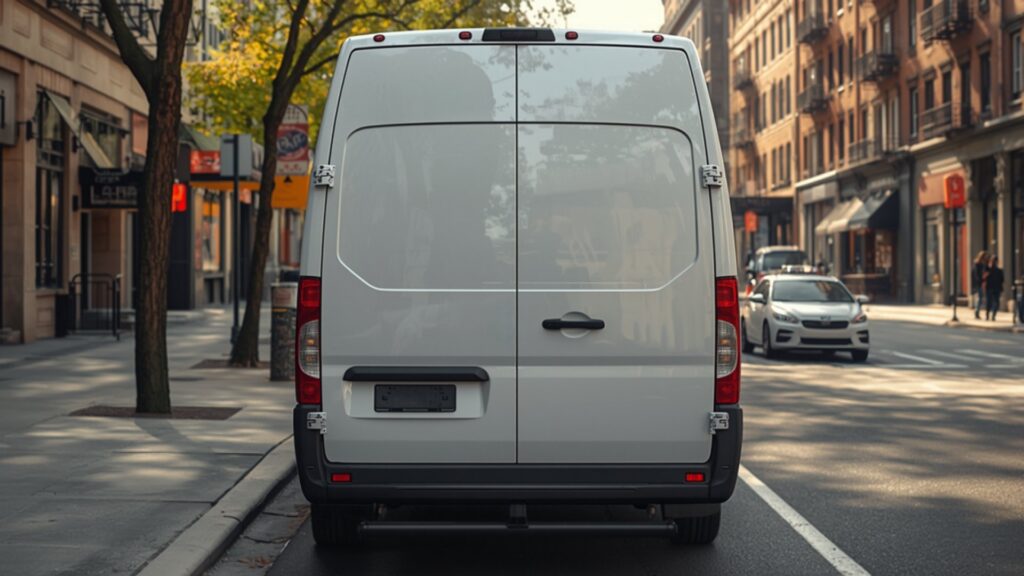
Can a Culver City Lemon Law Lawyer Help When a Work Truck Bought for Your Business Keeps Failing?
Yes, in most cases. California Civil Code Section 1793.22(e)(2) reaches a new vehicle bought primarily for business. The truck has to carry a gross vehicle weight under 10,000 pounds, and no more than five vehicles can be registered to the buyer in this state. A Culver City lemon law lawyer can then pursue a full buyback.
Gaslamp Law Group handles California lemon law claims across Los Angeles County. Plenty of Culver City owners assume the lemon law stops at the family sedan. It does not. Under Civil Code Section 1794(d), a manufacturer that loses pays the buyer’s legal fees and costs.
If a work truck registered to your Culver City business keeps going back to the dealer, call Gaslamp Law Group at (323) 853-7848 for a free consultation. One look at the repair orders usually answers the question.
How the Song-Beverly Act Reaches a Culver City Work Truck
The Song-Beverly Consumer Warranty Act is built around consumer purchases. That is where most competitor pages stop, and it is why so many Culver City contractors, caterers and production companies never call anyone. The warranty team at Gaslamp Law Group reads the statute differently, because the Legislature wrote a second definition into it.
That second definition sits in Civil Code Section 1793.22(e)(2), the Tanner Consumer Protection Act. It pulls a narrow slice of business vehicles into the same refund-or-replace machinery that protects a family car. That slice is exactly where a five-van shop on Jefferson Boulevard or a two-truck contractor off Slauson Avenue tends to land.
The Three Tests Inside Civil Code Section 1793.22(e)(2)
Read the sentence carefully, and you find three separate conditions, all of which have to be true at once. Weight is the first. Primary use is the second. Fleet size is the third. Miss any one of them, and the refund-or-replace remedy in Civil Code Section 1793.2(d)(2) closes, no matter how bad the truck is.
Before you call anyone, pull these four things together.
- Find the gross vehicle weight rating printed on the certification label inside the driver door jamb.
- Pull the purchase contract and confirm whether the buyer listed is you personally or your business entity.
- Count every motor vehicle registered to that same buyer in California, not just the truck that broke.
- Gather every repair order, including the ones where the dealer wrote no problem found.
Those four items answer the coverage question in about ten minutes.
A Gross Vehicle Weight Rating Under 10,000 Pounds
The statute says under 10,000 pounds, and the word under is doing real work. A rating of exactly 10,000 pounds sits outside the definition. Half-ton pickups, cargo vans and most cab-and-chassis units used by small Culver City businesses come in below the line. Heavier three-quarter-ton and one-ton configurations often do not.
Reading the Certification Label on the Driver Door Jamb
Federal rules require a certification label on every new vehicle, and it lives on the driver door jamb or the door edge. The gross vehicle weight rating is printed there in pounds and kilograms. Do not rely on a brochure number or a salesperson’s memory. The label is what a manufacturer’s lawyer looks at first.
Why Trim and Body Choices Move the Rating
Two trucks with the same badge can carry different ratings. Drivetrain, axle package, wheelbase and cab configuration all shift the figure. A service body added after delivery does not change the rating on the label, but it can change which configuration the dealer ordered for you. Check your own truck rather than a friend’s.
Bought or Used Primarily for Business Purposes
The business prong covers a person, a partnership, a limited liability company, a corporation or an association. So the name on the contract does not sink you. What matters is whether the vehicle is bought or used primarily for business. A van that hauls equipment five days a week and groceries on Sunday still reads as a business vehicle.
No More Than Five Motor Vehicles Registered in California
This is the test that surprises people. The count runs to all motor vehicles registered in this state to the same buyer, not to trucks alone. Six registrations closes the door. Five keeps it open. If you are already thinking about how multiple vehicles affect a claim, run the count before you buy the next one.
What the Business Prong Does Not Cover
The definition also carves things out by name. A motorcycle is excluded outright. So is a vehicle never registered under the Vehicle Code because it runs exclusively off the highway, which takes out yard equipment and site-only utility vehicles. Dealer-owned units and demonstrators sit outside the personal-use half of the definition as well.
One more limit gets missed constantly. Section 1793.22(e)(2) defines a new motor vehicle only for purposes of Civil Code Section 1793.2(d) and Section 1793.22 itself. It does not rewrite the rest of the Act, so a business truck does not automatically pick up every consumer protection in Title 1.7.
What Happens When Your Culver City Truck Misses One of the Three Tests
Say the rating reads 10,000 pounds even, or your landscaping company has seven vehicles on file with the DMV. The refund-or-replace remedy is gone. That is a real loss, because Section 1793.2(d)(2) is the provision that forces a manufacturer to hand back the purchase price and the official fees on top.
It is not the end of the road, though. A warranty is still a contract, and California still enforces contracts. What changes is the statute you sue under, the remedy you ask for, and how long you have to act on it.
Why a Business Truck Is Not Consumer Goods Under Section 1791
Civil Code Section 1791(a) defines consumer goods as a new product bought or used primarily for personal, family or household purposes. A truck bought primarily to run a business fails that definition on its face. The implied warranty provisions that attach to consumer goods therefore do not reach it. That is the structural reason the Legislature wrote a separate business prong at all.
The Commercial Code Route That Still Remains
California Commercial Code Section 2313 creates an express warranty when a seller makes a promise about the goods, and a written factory warranty is exactly that. Section 2314 adds an implied warranty of merchantability from a merchant seller. Section 2725 gives you four years to sue, running from tender of delivery rather than from the day the problem appeared.
The federal Magnuson-Moss Warranty Act can also apply, because its test looks at the type of product rather than one buyer’s use. Pickups and vans are normally sold for personal use, so they often qualify.
- The Commercial Code gives you damages, not an automatic buyback of the full purchase price.
- The four-year clock under Section 2725 runs from delivery, so a truck that failed in year three leaves little room.
- Magnuson-Moss can carry a fee award, which keeps a modest claim worth bringing.
Which route fits depends on your contract numbers and the dates on your repair orders.
How Many Repair Attempts a Culver City Lemon Law Lawyer Counts
Owners always ask for a magic number. The operative duty in Civil Code Section 1793.2(d) says only that the manufacturer gets a reasonable number of attempts. Reasonable is a question for a jury, which means it moves with the facts.
The Legislature did give you a shortcut. Civil Code Section 1793.22(b) sets out a rebuttable presumption, and if your repair history fits inside it, the burden shifts. The window is 18 months from delivery or 18,000 miles on the odometer, whichever comes first. For a Culver City delivery van running Washington Boulevard every day, 18,000 miles can arrive in a single season.
The Tanner Presumption in Civil Code Section 1793.22(b)
Three separate triggers sit inside that subdivision, and any one of them is enough on its own. Two of them carry a direct notice condition and one does not, which is a distinction most competitor pages flatten into a single rule. That difference decides real cases. If you want the longer version, read our breakdown of how many repair attempts make a car a lemon.
Two Attempts on a Defect That Could Cause Serious Injury
If the same nonconformity is likely to cause death or serious bodily injury when the vehicle is driven, two repair attempts are enough. Brake failure, steering loss and a stalling engine all live here. The buyer has to have directly notified the manufacturer at least once, and that condition applies only if the manufacturer disclosed it with the warranty or owner’s manual.
Four Attempts on the Same Nonconformity
For everything else, the number is four attempts on the same problem. Sameness is where these fights happen. A dealer who writes up one visit as a sensor, the next as a wiring fault and the third as a software update has not created three different defects. The underlying symptom is what the statute tracks.
More Than 30 Cumulative Days Out of Service
The third trigger counts calendar days, not visits. More than 30 cumulative days out of service for warranty repair since delivery will do it. The days do not have to be consecutive. Notably, no direct notice requirement attaches to this prong at all, which makes it the cleanest of the three for a busy owner.
Why the Presumption Is a Shortcut and Not a Requirement
Falling outside 18 months or 18,000 miles does not end your case. The presumption is a tool, and Section 1793.22(b) says so by calling it rebuttable. A truck that spent 26 days in the shop at month 20 can still be a lemon under the reasonableness standard.
- Ask for a printed repair order at every visit, even when nothing is replaced.
- Check that the customer complaint line describes your symptom in your words.
- Photograph the odometer on the day you drop the truck off and the day you pick it up.
- Keep the loaner paperwork, because it proves the days the truck was unavailable.
A manufacturer arguing that a defect was never reported has a much harder time when every visit is on paper.
What a Buyback Pays on a Culver City Work Truck
Restitution under Civil Code Section 1793.2(d)(2)(B) is broader than most owners expect. The manufacturer repays the actual price paid or payable, including transportation charges and manufacturer-installed options. It adds collateral charges such as sales or use tax, license fees and registration fees.
Section 1794 then supplies incidental damages, and the statute names reasonable repair, towing and rental car costs. For a business that rented a replacement van for three weeks in August, that line can be substantial. Before signing, it is worth understanding what a manufacturer buyback offer leaves out.
The Restitution Formula in Section 1793.2(d)(2)(B)
The formula reads straight off the contract for a cash purchase. Financed deals take a little assembly, because the price paid or payable includes the amounts you still owe on the note. Ask the manufacturer to identify where in the statutory text each proposed adjustment lives. Adjustments that are not written into the statutory text usually disappear once you ask that question.
Shelving, Ladder Racks and Other Extras a Dealer Adds
Here is the trap for work trucks. Section 1793.2(d)(2)(B) includes manufacturer-installed options. It excludes items a dealer or the buyer installed that the manufacturer never supplied. A shelving package, a ladder rack or a wrap added after the truck left the factory sits outside the refund. Keep those invoices separate from the vehicle contract.
The Mileage Offset and the 120,000-Mile Denominator
The manufacturer may subtract an amount for your use before the first repair visit for that problem. The math is fixed by statute. Multiply the price by a fraction whose denominator is 120,000 and whose numerator is the miles driven before that first visit. A high-mileage work truck still uses 120,000.
Civil Penalties and Who Pays Your Legal Fees
Civil Code Section 1794(c) allows a civil penalty of up to two times actual damages when the failure to comply was willful. Subdivision (d) requires the court to award a prevailing buyer costs and attorney fees based on actual time expended. Together those provisions are why a claim on a single cargo van is worth bringing.
- Keep the buyer’s order and the finance contract, not just the dealer’s summary sheet.
- Save receipts for rentals, towing and any repair you paid for out of pocket.
- File the shelving and rack invoices separately, since those amounts follow different rules.
Whether AB 1755 Changes a Culver City Claim in 2026
AB 1755 generated a great deal of noise, and a great deal of it was wrong. The bill did not amend the Song-Beverly Act. It added a new Chapter 12 to the Code of Civil Procedure, starting at Section 871.20, with its own deadlines and a pre-suit notice step.
Then SB 26 arrived in April 2025 and changed the shape of the whole thing. The chapter now applies only to manufacturers that affirmatively elect into it. Most 2025 blog posts still tell California owners the new procedures apply to everyone, and that is simply not the law.
Manufacturers Have to Elect In Under Code of Civil Procedure Section 871.29
Under Section 871.29, a manufacturer elects by written notice to the Arbitration Certification Program at the Department of Consumer Affairs by October 31 of the preceding year. The election covers five consecutive calendar years of sales and cannot be revoked. The department publishes the roster each December 15. You can read the state’s list of electing manufacturers yourself.
Several truck and van brands sit on that list. What the roster does not tell you is which sale years a given election covers, so never assume your model year is inside it. For a manufacturer that did not elect, the four-year period under Commercial Code Section 2725 still governs.
The Notice Your Dealer Had to Hand You at Delivery
Section 871.29(d) is the practical answer for a truck buyer. When a vehicle is sold new, the manufacturer has to tell the buyer which set of procedures governs it. That is either the new Chapter 12 process or the existing Song-Beverly provisions in Civil Code Section 1792 and following.
So the disclosure should be sitting in the folder the dealer handed you on Sepulveda Boulevard. Dig it out before you assume which deadline applies. An experienced California lemon law attorney will ask for that page early.
Where a Culver City Business Brings a Lemon Law Claim
Filing location matters more here than in a typical injury case, and for a reason that works in your favor. A lemon law claim is a warranty claim, which makes it a contract action rather than a personal injury action. Los Angeles County Superior Court treats those two categories very differently at the filing window.
That distinction gives a Culver City business real choice about where its case is heard. It also means the automatic routing that governs crash cases does not apply to you at all, which is worth knowing before anyone files anything.
A Warranty Claim Is a Contract Action Under Local Rule 2.3
Local Rule 2.3(a)(1)(A) forces every unlimited civil personal injury action into the Central District at the Stanley Mosk Courthouse on North Hill Street. A warranty claim is not on that list. Rule 2.3(a)(1)(B) instead makes contract filing optional, in the Central District or in the district where performance is required or the defendant resides.
Culver City falls in the court’s West District, which holds sessions at the Santa Monica Courthouse at 1725 Main Street and at the LA Airport Courthouse on South La Cienega Boulevard. Under Code of Civil Procedure Section 85, a claim at or under $35,000 is a limited civil case.
The Bureau of Automotive Repair Field Office on Bristol Parkway
The state agency that regulates repair shops keeps one of its twelve field offices in Culver City, on Bristol Parkway near the 405. Its complaint process can be useful when a dealer refuses to document a symptom or bills you for warranty work. Be clear about what it can reach, though.
The Bureau licenses and disciplines automotive repair dealers. It does not order a manufacturer to buy your truck back. Only the manufacturer or a court does that, so a complaint there supports a claim rather than replacing one.
- Register with the city, since Culver City Municipal Code Section 11.01.210 requires a business tax certificate within 30 days of starting business.
- Keep that certificate from the Finance Department at 9770 Culver Boulevard with your vehicle file, because it helps prove primary business use.
- Pull a current DMV record of every vehicle registered to the business before you count to five.
Questions Culver City Truck Owners Ask About the Lemon Law
These five questions come up in almost every consultation with a Culver City business owner, usually in the first ten minutes. The answers below cover the ground quickly. None of them replaces a look at your own contract, your registration list and your repair orders.
Does a leased work van count, or only a purchased one?
A lease counts. Civil Code Section 1795.4 gives a lessee the same warranty rights a buyer has, and Section 1793.2(d)(2)(D) treats a lessee as a buyer of a new motor vehicle. The three business tests still have to be met.
My company has exactly five vehicles. Am I covered?
Yes. The statute says not more than five motor vehicles registered in this state, so five is inside the line and six is outside it. Count registrations, not trucks, and count them as of the relevant time rather than today.
What if I bought the truck used with warranty left on it?
A used vehicle carrying the balance of the original factory warranty is not a new motor vehicle. The California Supreme Court settled that in Rodriguez v. FCA US, LLC in 2024. Used buyers usually look instead to Civil Code Section 1795.5, which places warranty obligations on the distributor or retail seller.
Do I have to use the manufacturer’s arbitration program first?
Only in a narrow situation. Under Civil Code Section 1793.22(c), if the manufacturer runs a qualified third-party dispute resolution process and gave you timely written notice of it, you have to go there before asserting the presumption. You can still file suit on the underlying breach.
How long do I have to bring a claim on a business truck?
For a manufacturer that did not elect into Chapter 12, the period is four years under Commercial Code Section 2725, generally from tender of delivery. For an electing manufacturer in a covered sale year, Section 871.21 sets one year after the express warranty expires, capped at six years from original delivery.
Talk to a Culver City Lemon Law Lawyer at Gaslamp Law Group Today
A work truck that will not stay fixed is not just a bad purchase. It is missed jobs, rental bills and a crew standing around on Washington Boulevard waiting on a van that is still at the dealer. California law gives a small business a real remedy for that, and most owners never find out.
Gaslamp Law Group handles California lemon law claims and knows the business prong of Civil Code Section 1793.22(e)(2) well. A Culver City lemon law lawyer from the firm will read the certification label, count your registrations, and tell you straight whether the refund-or-replace remedy is open. If it is not, you will hear which Commercial Code route is worth the effort.
Under Civil Code Section 1794(d), a manufacturer that loses pays your legal fees and costs. You owe no percentage of the recovery, and the first conversation is free.
Call Gaslamp Law Group at (323) 853-7848 or reach the firm through its contact page. Bring the repair orders, the purchase contract and a photo of the door jamb label. You can also read the statutory definition of a new motor vehicle on the Legislature’s own site.