
Can Repeated Warning Lights Support a Beverly Hills Lemon Law Case?
Repeated warning lights can be more than an inconvenience for Beverly Hills drivers, especially when repairs fail to resolve the underlying problem. Dashboard warnings often indicate issues affecting a vehicle’s safety, reliability, or overall performance, even when the vehicle appears to operate normally. If the same warning light continues returning after multiple repair attempts, the vehicle may qualify for protection under California Lemon Law. Understanding how these recurring problems affect a potential Beverly Hills lemon law case can help consumers protect their legal rights.
Continuing to drive a vehicle with recurring warning lights can create frustration, uncertainty, and unexpected repair visits that disrupt daily life. At Gaslamp Law, we understand how difficult these situations become when manufacturers cannot permanently correct the problem. Our team carefully reviews repair histories, warranty coverage, and other important evidence to determine whether a vehicle may qualify under California Lemon Law. Call us at (323) 853-7848 today to schedule a free consultation and learn how we can help you pursue the resolution you deserve.

Why Trust an Attorney With a Beverly Hills Lemon Law Case
At Gaslamp Law, we understand that every Beverly Hills lemon law case deserves careful attention, thorough preparation, and a strategy tailored to the client’s unique circumstances. We carefully review repair invoices, manufacturer communications, warranty information, and service records to determine whether recurring warning lights support a valid claim. Our attorneys keep clients informed throughout every stage of the process while handling communications with manufacturers and their representatives. We remain committed to pursuing the best possible outcome while allowing our clients to focus on enjoying reliable transportation again.
Recurring warning lights often involve complicated mechanical or electrical issues that require detailed documentation to establish a strong claim. We evaluate every repair attempt, identify patterns of recurring defects, and determine whether the manufacturer received reasonable opportunities to correct the problem. Additionally, we work diligently to protect our clients’ rights while pursuing available remedies under California Lemon Law. Our goal is to provide experienced guidance while helping clients move through the claims process with confidence.
Common Dashboard Warning Lights That Could Lead to a Beverly Hills Lemon Law Case
Dashboard warning lights serve an important purpose by alerting drivers to potential mechanical, electrical, or safety-related concerns. Although a single warning light does not automatically indicate a qualifying defect, recurring warnings that remain unresolved may support a Beverly Hills lemon law case. Repeated repair attempts involving the same issue often demonstrate that a manufacturer has been unable to correct the problem permanently. Understanding what these warning lights may indicate helps vehicle owners recognize when additional action may become necessary.
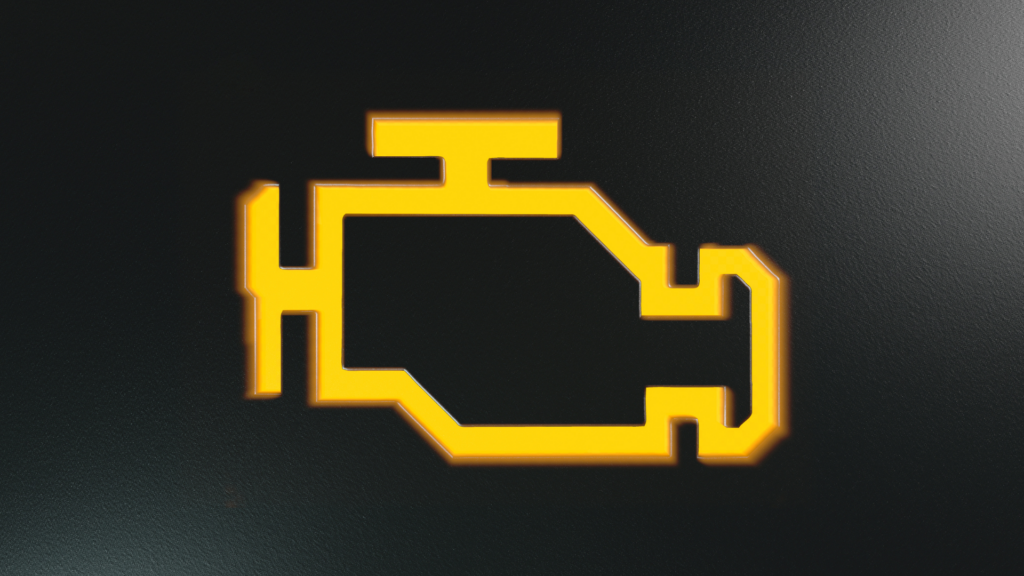
Check Engine Light
The check engine light remains one of the most common warning indicators found in modern vehicles. While some issues involve relatively minor repairs, others may signal significant engine, emissions, or electrical system defects. A warning light that repeatedly returns after repairs may indicate an ongoing problem requiring further investigation. Consistent documentation of repair attempts often becomes important when evaluating a Beverly Hills lemon law case.
Engine Performance Problems
Engine-related defects frequently trigger the check engine light while affecting the vehicle’s overall performance. Drivers may experience rough idling, reduced acceleration, engine misfires, or stalling during normal operation. These issues may become increasingly serious if repairs fail to resolve the underlying defect. Repeated repair visits often help establish a pattern of recurring problems.
Emissions System Defects
Emissions components play an important role in maintaining vehicle performance and regulatory compliance. Defective sensors, catalytic converters, or fuel system components may repeatedly activate the check engine light. Ongoing emissions problems can affect reliability while increasing repair costs over time. Persistent defects may contribute to a stronger Beverly Hills lemon law case.
Transmission Warning Light
Transmission warning lights often indicate problems affecting one of the vehicle’s most important mechanical systems. Transmission defects may interfere with shifting, acceleration, or overall drivability during everyday use. A warning light that continues appearing after repairs may suggest that the underlying issue remains unresolved. Prompt diagnosis helps prevent additional damage to the transmission.
Difficulty Shifting Gears
Drivers experiencing transmission problems may notice delayed shifting, harsh gear changes, or hesitation while accelerating. These issues may reduce vehicle reliability and create safety concerns in certain driving situations. Repeated repairs without lasting success often demonstrate an ongoing defect. Thorough repair documentation helps establish the vehicle’s repair history.
Transmission Control Module Failures
Modern vehicles rely on electronic control modules to manage transmission operation efficiently. Software failures or defective control modules may repeatedly trigger transmission warning lights despite previous repairs. Diagnosing these issues sometimes requires specialized testing and updated programming. Persistent electronic defects may support a Beverly Hills lemon law case.
Brake System Warning Light
Brake warning lights should never be ignored because they may indicate problems affecting vehicle safety. Modern braking systems rely on numerous mechanical and electronic components working together properly. A recurring brake warning light deserves immediate attention whenever it appears. Prompt inspections help identify defects before they create additional safety risks.
Anti-Lock Braking System Warnings
The anti-lock braking system helps drivers maintain steering control during emergency braking situations. Defective sensors, control modules, or hydraulic components may repeatedly activate warning lights. These problems can affect braking performance under certain conditions. Repeated repair attempts may demonstrate that the defect remains unresolved.
Electronic Brake System Defects
Electronic braking systems use sophisticated technology to improve vehicle stability and braking performance. Defective wiring, sensors, or electronic modules may trigger recurring dashboard warnings. Ongoing electrical issues sometimes prove difficult to diagnose permanently. Comprehensive repair records help document repeated failures.
Battery and Charging System Warning Light
Charging system warnings often indicate problems affecting the vehicle’s electrical system. Defective alternators, batteries, wiring, or charging components may cause recurring dashboard alerts. These issues can eventually prevent the vehicle from starting or operating reliably. Addressing electrical concerns promptly helps reduce the risk of additional complications.
Alternator Problems
The alternator supplies electrical power while charging the vehicle’s battery during operation. A failing alternator may cause dim lighting, battery drain, or repeated charging system warnings. Repairs that fail to resolve these issues may indicate a more significant electrical defect. Recurring charging problems often require further investigation.
Battery Management System Failures
Many modern vehicles use battery management systems to regulate charging performance efficiently. Software errors or defective sensors may generate repeated warning lights despite battery replacement. Diagnosing these problems often involves extensive electrical testing. Ongoing electronic defects may strengthen a Beverly Hills lemon law case.
Airbag Warning Light
Airbag warning lights may indicate problems affecting the vehicle’s supplemental restraint system. Since airbags play a critical role during serious collisions, these warnings deserve immediate attention. A warning light that repeatedly returns after repairs may suggest unresolved safety concerns. Proper diagnosis helps ensure these systems operate as intended.
Sensor Malfunctions
Airbag systems rely upon numerous sensors to detect collision forces and deploy safety equipment appropriately. Defective sensors may repeatedly activate dashboard warning lights even when no accident has occurred. Ongoing sensor failures may require multiple repair attempts before the true cause is identified. Persistent defects should receive careful evaluation.
Occupant Detection System Issues
Many newer vehicles include occupant detection systems that help determine airbag deployment strategies. Defective seat sensors or electronic modules may repeatedly trigger airbag warning lights. These problems can affect overall system reliability and driver confidence. Thorough repair documentation helps establish recurring safety-related defects.
Advanced Driver Assistance System Warnings
Modern luxury vehicles often include advanced driver assistance systems that rely upon cameras, radar, and electronic sensors. Defects affecting these systems may trigger recurring dashboard warnings involving lane assistance, adaptive cruise control, or collision avoidance technology. These features are designed to improve safety during everyday driving. Repeated failures may indicate an underlying defect requiring additional investigation.
Camera and Sensor Calibration Problems
Driver assistance systems depend on accurate camera and sensor calibration following repairs or routine maintenance. Improper calibration or defective components may generate recurring warning lights while limiting important safety features. Repeated service visits sometimes fail to permanently resolve these electronic issues. Persistent calibration problems may support a Beverly Hills lemon law case.
Software Communication Errors
Many vehicle systems communicate through complex onboard software controlling numerous electronic components. Programming errors or communication failures may repeatedly activate dashboard warning lights across multiple vehicle systems. Manufacturers occasionally release software updates to address these concerns, but some problems continue despite repeated repairs. Ongoing software-related defects may become an important part of a Beverly Hills lemon law case.

Common Luxury Vehicle Defects Behind Repeated Warning Lights in Beverly Hills
Luxury vehicles often include advanced technology, sophisticated electronics, and highly integrated mechanical systems designed to improve performance and comfort. While these features provide many benefits, they may also introduce complex defects that trigger recurring dashboard warning lights. When the same warning light returns after multiple repair attempts, the issue may indicate a defect that qualifies for relief under California Lemon Law. Understanding these common problems helps owners recognize when recurring repairs deserve closer attention.
Electrical System Defects
Electrical system problems frequently cause repeated warning lights in modern luxury vehicles. A single electrical malfunction may affect several vehicle systems because many components communicate through interconnected control modules. These defects often prove difficult to diagnose and may continue despite repeated repair attempts. Persistent electrical issues can significantly affect both reliability and vehicle performance.
Wiring Harness Problems
Damaged or defective wiring harnesses may interrupt communication between important vehicle components. Loose connections, damaged wiring, or manufacturing defects can trigger warning lights involving multiple systems at once. Electrical interruptions may also create intermittent problems that appear difficult to reproduce during service appointments. Repeated repairs without a permanent solution may indicate an ongoing defect.
Control Module Communication Failures
Luxury vehicles rely on numerous electronic control modules to manage essential vehicle functions. Communication failures between these modules may activate several dashboard warning lights simultaneously. Software updates sometimes resolve these concerns, but certain vehicles continue experiencing recurring issues. Persistent communication failures often require extensive diagnostic testing.
Engine Management System Problems
Engine management systems continuously monitor vehicle performance through sensors and computerized controls. Defects affecting these systems may trigger recurring warning lights while reducing performance or fuel efficiency. Some problems develop gradually, while others appear suddenly during routine driving. Repeated repair visits often suggest the underlying issue has not been corrected.
Faulty Engine Sensors
Modern engines rely on oxygen sensors, mass airflow sensors, crankshaft sensors, and numerous other electronic components. Defective sensors may provide inaccurate information that repeatedly activates the check engine light. These failures sometimes affect acceleration, idle quality, or fuel economy. Replacing one sensor may not resolve a larger underlying system defect.
Fuel System Malfunctions
Fuel delivery systems play an important role in maintaining proper engine performance under varying driving conditions. Defective fuel pumps, injectors, pressure regulators, or electronic controls may trigger recurring engine warnings. Ongoing fuel system problems can lead to hesitation, rough operation, or reduced power. Consistent repair documentation helps establish recurring defects.
Transmission and Drivetrain Defects
Luxury vehicle transmissions use advanced technology to deliver smooth shifting and responsive performance. Mechanical or electronic defects may interfere with these systems while generating repeated dashboard warning lights. Persistent transmission problems often become more noticeable as mileage increases. Early diagnosis may help prevent additional damage.
Electronic Transmission Controls
Transmission control modules manage shifting patterns based on driving conditions and vehicle performance. Software defects or electronic failures may cause delayed shifting, harsh gear changes, or warning messages. These issues sometimes continue despite repeated programming updates or repairs. Recurring electronic failures may indicate a qualifying defect.
Drivetrain Component Failures
Luxury vehicles frequently use advanced all-wheel-drive and performance drivetrain systems requiring precise electronic coordination. Defective transfer cases, differentials, or drive control modules may repeatedly activate warning indicators. These problems can affect handling, acceleration, and overall vehicle reliability. Continued repair attempts may demonstrate that the defect remains unresolved.
Advanced Driver Assistance System Defects
Many luxury vehicles include sophisticated safety technologies designed to improve driver awareness and reduce accident risks. Cameras, radar sensors, and onboard computers constantly communicate to operate these systems properly. Defects affecting these components may repeatedly trigger warning lights or temporarily disable important safety features. Ongoing electronic issues often require specialized diagnostic procedures.
Camera Calibration Issues
Forward-facing cameras help support lane departure warnings, adaptive cruise control, and collision avoidance systems. Improper calibration or defective hardware may repeatedly activate dashboard warnings after repairs. Drivers may also notice intermittent system shutdowns during normal operation. Persistent calibration issues sometimes indicate deeper electronic defects.
Radar Sensor Problems
Radar sensors monitor surrounding traffic to assist with several advanced safety features. Defective sensors or communication failures may cause warning messages involving adaptive cruise control or automatic emergency braking. These problems may continue despite multiple repair attempts or software updates. Recurring radar system defects deserve careful evaluation.
Battery and Charging System Defects
Luxury vehicles rely on complex electrical systems that demand consistent battery and charging performance. Defects affecting these systems may trigger repeated battery, charging, or electrical warning lights. Some issues involve hardware failures, while others stem from software or communication problems. Persistent charging system concerns often affect multiple vehicle functions.
Battery Management System Failures
Battery management systems monitor charging performance while regulating electrical power throughout the vehicle. Software errors or defective control modules may repeatedly generate charging system warnings despite battery replacement. These issues sometimes affect vehicle starting and accessory operation. Continued warning lights may indicate a larger electrical defect.
Alternator and Voltage Regulation Problems
Alternators and voltage regulators work together to supply consistent electrical power during vehicle operation. Defective charging components may create intermittent warning lights, battery drain, or unexpected electrical failures. Some problems appear only under specific driving conditions, making diagnosis more challenging. Thorough repair records help document recurring charging issues.
Infotainment and Software Defects
Modern luxury vehicles depend heavily on integrated software controlling navigation, communication, climate functions, and entertainment systems. Software defects sometimes affect systems extending well beyond the touchscreen display. These issues may trigger dashboard warnings or interfere with essential vehicle functions. Repeated software updates do not always permanently resolve recurring problems.
Over-the-Air Update Failures
Many luxury manufacturers deliver software improvements through over-the-air updates instead of traditional dealership visits. Occasionally, these updates introduce new problems or fail to correct existing defects completely. Drivers may experience recurring warning lights following multiple software installations. Persistent update-related issues may become an important factor in a Beverly Hills lemon law case.
Integrated System Communication Errors
Infotainment systems frequently communicate with navigation, safety, climate control, and vehicle monitoring systems. Communication failures may trigger warning lights involving multiple unrelated vehicle functions. Diagnosing these interconnected problems often requires extensive testing and repeated service visits. Ongoing software communication failures may support a Beverly Hills lemon law case.

Steps To Take Before Filing a Beverly Hills Lemon Law Case
Preparing before filing a Beverly Hills lemon law case can help organize important information and strengthen the overall claim. Although every situation differs, taking several practical steps early often makes the process more efficient. Maintaining accurate records and understanding your vehicle’s repair history may also help clarify whether the defect qualifies under California Lemon Law. Careful preparation allows vehicle owners to move forward with greater confidence.
Review Your Vehicle’s Warranty
California Lemon Law generally applies to qualifying vehicles covered by a manufacturer’s warranty. Reviewing warranty documents helps determine whether the reported defect occurred during the applicable warranty period. Warranty information also identifies coverage terms that may become important during the claims process. Keeping these records readily available simplifies future review.
Confirm Warranty Coverage Dates
Warranty coverage often depends on both the vehicle’s age and mileage at the time the defect first appeared. Comparing repair dates with warranty documents helps establish whether coverage remained in effect. Accurate timelines also help organize important information before filing a claim. Complete records reduce confusion later in the process.
Review Extended Warranty Information
Some vehicles include extended warranty coverage that may provide additional repair benefits beyond the original factory warranty. Although extended warranties differ from manufacturer warranties, they may still contain helpful documentation regarding repairs. Reviewing every available warranty document provides a more complete understanding of the vehicle’s history. Organized records support a stronger presentation of the claim.
Organize Every Repair Record
Repair documentation frequently serves as one of the most important forms of evidence in a Beverly Hills lemon law case. Service invoices, repair orders, and dealership communications demonstrate how often the vehicle required repairs. These records also show whether the manufacturer received reasonable opportunities to correct the recurring defect. Maintaining organized documentation helps create a clear repair timeline.
Review Repair Orders Carefully
Each repair order should accurately describe the concern reported to the dealership or repair facility. Review every invoice to confirm the symptoms, diagnostic findings, and repairs performed appear correctly documented. If important information is missing, retain any additional notes or communications describing the issue. Complete records help establish recurring problems more effectively.
Arrange Records Chronologically
Placing repair records in chronological order creates a clear history of the recurring defect. This organization helps identify repeated repair attempts involving the same warning light or mechanical issue. A well-organized timeline also simplifies future document review. Clear records improve overall case preparation.
Document Recurring Vehicle Problems
Ongoing documentation helps demonstrate how recurring defects affect everyday vehicle operation. Recording symptoms as they occur creates additional evidence beyond dealership repair invoices. These notes also help identify patterns that may otherwise be overlooked. Consistent documentation supports a more complete understanding of the problem.
Keep a Vehicle Journal
A vehicle journal provides an organized record of warning lights, unusual noises, performance concerns, and other recurring issues. Include the date, mileage, weather conditions, and any noticeable changes in vehicle operation. Detailed notes help demonstrate the frequency and consistency of the defect. Regular updates strengthen the overall documentation.
Photograph Dashboard Warning Lights
Taking photographs whenever warning lights appear preserves valuable evidence of recurring problems. Include the vehicle’s mileage display whenever possible to document when the issue occurred. These images may help confirm recurring defects between dealership visits. Visual evidence complements repair invoices and personal notes.
Follow Manufacturer Repair Recommendations
Providing the manufacturer with reasonable opportunities to repair the defect often becomes an important part of the claims process. Following recommended repair procedures also creates a complete service history for the vehicle. Skipping scheduled appointments may create unnecessary gaps in documentation. Consistent service records help demonstrate ongoing repair efforts.
Return the Vehicle When Problems Reappear
If the same warning light or defect returns after repairs, schedule another service appointment promptly. Reporting recurring issues quickly creates an accurate record showing the problem remained unresolved. Delaying additional repairs may make it more difficult to establish a consistent repair history. Prompt follow-up supports stronger documentation.
Clearly Describe Every Symptom
Explain every symptom in detail when bringing the vehicle in for service. Include information about when the problem occurs, how often it appears, and any warning messages displayed. Providing consistent descriptions helps technicians better understand recurring concerns. Detailed explanations also improve repair documentation.
Preserve Communications With the Manufacturer
Written communications with dealerships and manufacturers may provide additional support for a Beverly Hills lemon law case. Emails, letters, text messages, and customer service records often document attempts to resolve ongoing problems. Maintaining these communications creates a more complete record of the repair process. Organized correspondence also helps verify important dates.
Save Emails and Written Notices
Retain copies of every written communication involving vehicle repairs, warranty concerns, or manufacturer responses. These documents may demonstrate efforts to resolve recurring defects before filing a claim. Organized correspondence also supports an accurate timeline of events. Complete communication records strengthen overall case preparation.
Record Important Conversations
After speaking with dealership personnel or manufacturer representatives, write down the date, the person’s name, and the topics discussed. These notes help preserve important details that may become relevant later. Maintaining accurate conversation records reduces the likelihood of misunderstandings. Consistent documentation supports a clearer history of the claim.
Gather Financial Documentation
Vehicle defects often create expenses extending beyond repair invoices alone. Maintaining organized financial records helps demonstrate the broader impact of recurring vehicle problems. These records also assist when evaluating potential remedies available under California Lemon Law. Thorough financial documentation supports a more complete claim.
Keep Expense Records
Save receipts for rental vehicles, towing services, lodging, transportation costs, and other expenses related to recurring vehicle defects. These records help document financial losses associated with repeated repair visits. Organized receipts simplify future evaluations. Every documented expense contributes to a more complete record.
Maintain Vehicle Ownership Documents
Keep copies of the purchase agreement, financing documents, registration, title information, and warranty paperwork together with repair records. These materials help establish ownership history and vehicle information throughout the claims process. Organized documentation makes important records easier to locate when needed. Complete files improve overall preparation before filing a Beverly Hills lemon law case.

Contact an Experienced Beverly Hills Lemon Law Case Attorney Today
Recurring dashboard warning lights should never be ignored when they continue appearing despite repeated repair attempts. Understanding your legal options early may help preserve important documentation while strengthening your ability to pursue relief under California Lemon Law. Taking action promptly also helps ensure warranty records, repair invoices, and service histories remain organized throughout the claims process. Experienced legal guidance can provide valuable clarity while you evaluate your next steps.
Every lemon law claim involves unique facts that deserve careful review and individualized attention. Determining whether repeated warning lights qualify under California Lemon Law often depends on the vehicle’s repair history, warranty coverage, and the nature of the recurring defect. We remain dedicated to protecting our clients’ interests while pursuing practical solutions for ongoing vehicle problems. Call us at (323) 853-7848 or reach out online today to schedule your free consultation.