
Can Subscription-Based Vehicle Features Lead to a Beverly Hills Lemon Law Case
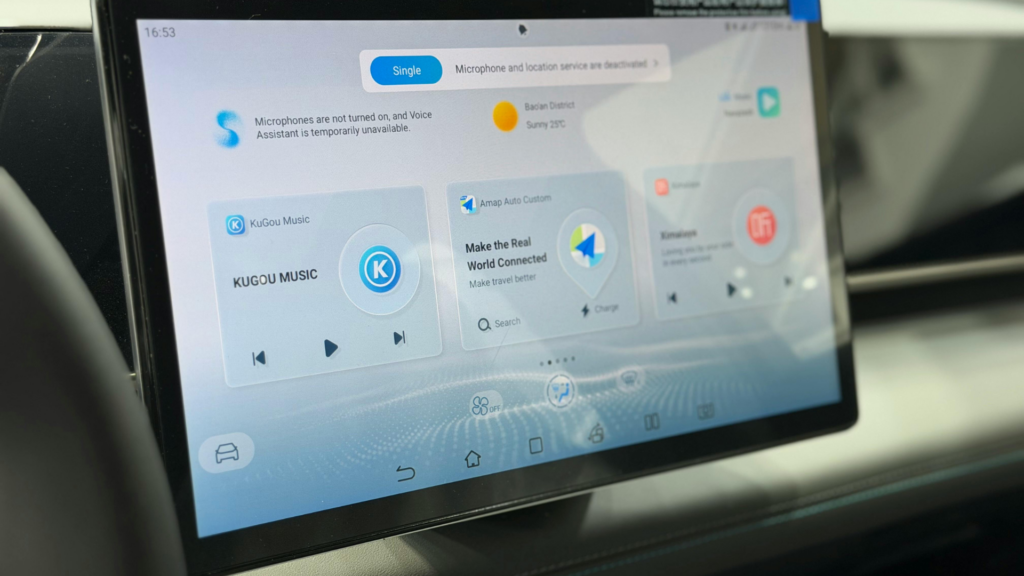
Modern vehicles increasingly rely on subscription-based features that control everything from navigation systems to advanced driver assistance and performance upgrades. When these paid features fail to function properly, drivers may face repeated repair attempts, limited usability, and frustration despite ongoing payments. In some cases, these recurring issues can support a Beverly Hills Lemon Law claim if they substantially impact the vehicle’s use, value, or safety. Understanding how these digital features fit into traditional lemon law protections helps consumers recognize when a problem goes beyond a simple inconvenience.
At Gaslamp Law, we understand how frustrating it can feel when you pay for premium vehicle features that fail to work as promised. We work closely with clients to evaluate how these subscription-based issues affect overall vehicle performance and whether they meet the legal threshold for a claim. Our team gathers repair records, analyzes recurring defects, and builds strong cases that reflect the full impact of these ongoing problems. If you are dealing with repeated feature failures tied to a Beverly Hills Lemon Law issue, call us at (323) 853-7848 today to discuss your options and take the next step forward.

Why Legal Representation Matters in a Beverly Hills Lemon Law Case
At Gaslamp Law, we understand how a Beverly Hills Lemon Law case can quickly become complex when manufacturers dispute defects or delay proper resolutions. These claims often involve detailed repair histories, technical documentation, and strict legal standards that must be met to qualify. Therefore, we step in to evaluate your situation, gather critical evidence, and build a strong case that reflects how the defect impacts your vehicle’s use, value, or safety. Our team works proactively to protect your rights while ensuring every detail supports your claim.
In addition, we focus on handling communication with manufacturers and dealerships so you do not have to navigate the process alone. We develop a strategy designed to pursue the best possible outcome, whether that involves a buyback, replacement, or financial compensation. Throughout the process, we provide clear updates and guidance so you always understand your options and next steps. With our support, you can move forward with confidence while we manage the legal complexities on your behalf.
How Software Glitches Affect a Beverly Hills Lemon Law Claim
Modern vehicles rely heavily on advanced software systems that control essential and convenience-based functions, including infotainment, navigation, safety features, and performance settings. When these systems malfunction repeatedly, they can significantly impact the vehicle’s usability, reliability, and overall value over time. In some cases, recurring software issues may qualify under Beverly Hills Lemon Law if they remain unresolved after multiple repair attempts or updates. Understanding how these digital failures affect a claim helps drivers recognize when a defect rises beyond inconvenience and becomes legally actionable.
Common Types of Software Defects
Software-related issues can appear in various forms, ranging from minor inconveniences to serious functional failures that disrupt daily driving. These problems may affect both comfort-based features and critical safety systems, which increases their overall importance. Identifying the nature, frequency, and severity of these defects plays a key role in evaluating whether a claim meets legal standards. Repeated issues that interfere with normal vehicle operation often strengthen the case for lemon law protection.
Infotainment and Connectivity Failures
Infotainment systems may freeze, restart unexpectedly, or fail to connect to mobile devices and navigation services during regular use. These disruptions can affect communication, navigation accuracy, and access to essential driving tools. When these problems occur consistently, they may interfere with the vehicle’s intended use and reduce overall reliability. Documenting each occurrence and repair attempt helps establish a clear pattern of failure.
Safety System Malfunctions
Software defects can also impact safety features such as backup cameras, collision warnings, lane assistance systems, and automatic braking functions. These failures may create additional risks for drivers, passengers, and others on the road. When safety systems do not function properly, the issue may carry greater legal significance due to potential hazards. Addressing these defects promptly and documenting their impact becomes essential for a strong claim.
Impact of Recurring Software Issues
Repeated software problems can lead to frequent service visits, ongoing frustration, and a lack of confidence in the vehicle’s performance. Even when updates or repairs are attempted, the issue may persist or return under similar conditions. This pattern of unresolved defects may demonstrate that the manufacturer cannot provide a reliable or permanent fix. Consistency in these issues helps establish a stronger Beverly Hills Lemon Law claim.
Importance of Repair Documentation
Keeping detailed records of repair attempts, service visits, and software updates helps demonstrate the ongoing nature of the problem. These records provide clear evidence that the issue has not been resolved despite multiple efforts by the dealership or manufacturer. Accurate and organized documentation strengthens the credibility of the claim and supports legal arguments. Maintaining a complete history improves the effectiveness of the case.

Are Over-the-Air Updates Enough to Fix a Beverly Hills Lemon Law Issue
Over-the-air updates have become a common method for manufacturers to address software-related defects without requiring a dealership visit. While these updates offer convenience and can resolve certain issues quickly, they do not always provide a permanent or reliable solution. In some cases, problems may continue, worsen, or lead to new defects after updates are installed. Understanding the limitations of these fixes helps determine whether a claim may still qualify under Beverly Hills Lemon Law.
How Over-the-Air Updates Work
Manufacturers use remote updates to modify vehicle software, fix known bugs, and improve system performance without requiring in-person service. These updates are often marketed as efficient solutions that reduce downtime and inconvenience for drivers. However, not all issues can be resolved through software changes alone, especially when deeper system flaws exist. Some defects may require more extensive diagnostics or physical repairs.
Temporary Fixes vs. Permanent Solutions
While an update may temporarily improve system performance, it may not fully resolve the underlying issue affecting the vehicle. Problems can reappear after a short period or under certain driving conditions, which indicates that the defect remains unresolved. This pattern may show that the manufacturer has not provided a lasting solution. Repeated temporary fixes can strengthen a Beverly Hills Lemon Law claim.
When Updates Fail to Resolve the Issue
If a vehicle continues to experience the same defect after multiple updates, it may demonstrate that the manufacturer cannot provide a reliable fix. This ongoing failure can reduce the vehicle’s usability, value, and overall dependability for the driver. In these situations, the issue may meet the criteria required for a lemon law claim. Evaluating the effectiveness of each update helps determine whether further action is necessary.
Tracking Update History and Results
Maintaining records of each update and its outcome helps establish a clear timeline of attempted repairs and system changes. This documentation shows whether the issue was resolved, improved, or persisted after each update. Clear and consistent records strengthen the argument that the problem remains unresolved. Careful tracking supports a stronger and more organized claim.

When Repeated Feature Failures Meet Beverly Hills Lemon Law Standards
Repeated failures of subscription-based or digital features can rise to the level of a Beverly Hills Lemon Law claim when they significantly affect the vehicle’s performance, usability, or reliability over time. These issues often involve systems that drivers rely on daily, including navigation, driver assistance, connectivity, and performance-based upgrades tied to paid services. When these problems continue despite multiple repair attempts, software updates, or dealership visits, they may meet the legal threshold required for a claim. Understanding how these failures are evaluated helps drivers determine when ongoing issues move beyond inconvenience and into legally actionable territory.
Defining Substantial Impairment
To qualify under lemon law, a defect must substantially impair the vehicle’s use, value, or safety in a meaningful and measurable way. Repeated feature failures can meet this standard if they interfere with normal operation, reduce reliability, or limit access to core functions that were part of the vehicle’s purchase. Even non-mechanical issues may qualify if they create consistent disruption that affects how the vehicle performs on a daily basis. Evaluating how the defect impacts the overall driving experience remains essential when determining eligibility.
Frequency and Severity of Issues
The number of times a defect occurs and the level of disruption it causes both play important roles in determining whether the issue meets legal standards. Frequent failures that affect essential features, such as navigation or driver assistance systems, strengthen the argument for substantial impairment. In addition, issues that involve safety-related systems may carry greater weight due to the risks they create. Documenting both the frequency and severity of these problems helps build a stronger and more credible claim.
Impact on Daily Vehicle Use
When digital features fail repeatedly, they can interfere with everyday driving tasks such as route planning, communication, and vehicle monitoring. These disruptions may force drivers to rely on alternative solutions or limit the vehicle’s intended functionality. Over time, this loss of convenience and reliability can reduce the overall value of the vehicle. Demonstrating this impact helps support a claim under Beverly Hills Lemon Law.
Repair Attempts and Legal Thresholds
Lemon law claims often depend on whether a reasonable number of repair attempts have been made without successfully resolving the issue. This may include multiple dealership visits, repeated software updates, or ongoing service efforts that fail to provide a lasting fix. When the same defect continues to appear after these attempts, it may indicate that the manufacturer cannot correct the problem. Meeting this threshold is a key factor in determining whether a claim qualifies under lemon law.
What Qualifies as a Reasonable Number of Repairs
A reasonable number of repair attempts varies depending on the nature of the defect and how it affects the vehicle. In many cases, repeated attempts to fix the same issue without success may satisfy this requirement. This can include both physical repairs and software-based solutions that fail to resolve the problem. Understanding this standard helps drivers evaluate whether their situation meets legal criteria.
Importance of Consistent Documentation
Keeping detailed records of each repair attempt, service visit, update, and communication with the dealership helps establish a clear pattern of failure over time. These records provide evidence that the issue has persisted despite multiple efforts to fix it. Consistency in documentation strengthens the overall claim and improves its credibility during negotiations or legal proceedings. Organized records can significantly improve the chances of achieving a favorable outcome.
When Feature Failures Become Legally Actionable
Not every software issue qualifies for a lemon law claim, but repeated failures that remain unresolved and significantly impact the vehicle may meet the necessary standards. When defects interfere with core functionality, reduce safety, or diminish the value of the vehicle, they may cross the threshold into legal action. Evaluating the overall pattern of failures helps determine whether the issue qualifies. Taking action at the right time can help protect your rights and improve your chances of recovery.

How Dealerships Handle Subscription Feature Complaints in Beverly Hills
Dealerships often serve as the first point of contact when vehicle owners experience issues with subscription-based features, especially in modern luxury vehicles. Their response to these complaints can directly influence how the problem is documented, addressed, and ultimately evaluated in a Beverly Hills Lemon Law claim. While some dealerships take proactive steps to diagnose and resolve issues, others may rely on temporary fixes or repeated software updates that fail to correct the underlying problem. Understanding how these situations are handled helps drivers better navigate the process and protect their rights.
Initial Assessment and Troubleshooting
When a complaint is reported, dealerships typically begin with a diagnostic review to identify the source of the issue. This process may involve testing affected systems, reviewing error codes, and checking for available software updates that could resolve the problem. While this initial assessment can uncover certain defects, it may not always lead to a complete or lasting solution. Proper documentation during this stage plays an important role in establishing the history of the issue.
Diagnostic Limitations and Challenges
Some subscription-based feature issues may not produce clear error codes or consistent symptoms during testing. This can make it difficult for technicians to identify the root cause, especially if the issue occurs intermittently. As a result, dealerships may struggle to replicate the problem during inspections. These challenges can lead to repeated visits without a definitive resolution.
Reliance on Software Updates
Dealerships often rely on software updates as a primary method for addressing feature-related complaints, particularly when dealing with digital or subscription-based systems. While these updates may provide temporary improvements, they may not resolve deeper system flaws or recurring glitches. In many cases, the same issue may return after a short period of time. Repeated reliance on updates can indicate that the problem remains unresolved and may support a lemon law claim.
Communication Between Dealerships and Manufacturers
Dealerships frequently communicate with manufacturers when dealing with complex or recurring feature complaints that cannot be resolved locally. This communication may involve sharing diagnostic data, requesting technical guidance, or waiting for updated software solutions. While this process can help identify potential fixes, it may also lead to delays in resolving the issue. These delays can extend the time a vehicle remains in an unresolved condition.
Delays in Manufacturer Response
Manufacturers may take time to analyze reported issues and develop updates or solutions, especially when defects affect multiple vehicles. During this period, drivers may continue experiencing the same problems without a clear resolution. These delays can increase frustration and inconvenience for vehicle owners. Documenting these timeframes can strengthen a claim by showing prolonged unresolved issues.
Repeated Visits and Ongoing Issues
If the problem persists, vehicle owners may need to return to the dealership multiple times for additional repairs, updates, or further diagnostics. These repeated visits can create significant inconvenience while demonstrating that the issue remains unresolved despite ongoing efforts. Each visit adds to the documented history of the defect and supports the argument that the vehicle cannot be properly repaired. This pattern often becomes a key factor in lemon law cases.
Impact on Daily Use and Reliability
Frequent dealership visits can disrupt daily routines, limit access to the vehicle, and reduce overall confidence in its reliability. Drivers may need to rely on alternative transportation or adjust their schedules to accommodate service appointments. Over time, this inconvenience can affect the vehicle’s value and usability. Demonstrating this impact helps strengthen the claim.
Building a Record of Repair Attempts
Each service visit creates an opportunity to document the issue, the attempted fix, and the outcome. Maintaining detailed records of these visits helps establish a clear pattern of unsuccessful repair attempts. This documentation becomes critical when evaluating whether the legal threshold for a Beverly Hills Lemon Law claim has been met. A consistent record strengthens the overall case.
Impact on Lemon Law Claims
The way dealerships handle subscription feature complaints can directly influence the strength and outcome of a lemon law case. Consistent documentation of visits, repairs, software updates, and unresolved issues helps build a clear and compelling record of the defect. When dealerships fail to resolve the problem after multiple attempts, it may demonstrate that the manufacturer cannot provide a reliable fix. Understanding this process allows drivers to take informed steps and protect their legal rights.

How Long You Should Wait Before Filing a Beverly Hills Lemon Law Claim
Determining how long to wait before filing a Beverly Hills Lemon Law claim depends on the pattern and severity of the vehicle’s defects rather than a fixed timeline. Many drivers assume they must wait months or years, but recurring issues that remain unresolved after several repair attempts may qualify much sooner. Acting too late can allow problems to continue while delaying potential recovery. Understanding the right timing helps protect your rights and strengthens your overall claim.
Recognizing When a Problem Becomes Ongoing
A single issue may not immediately qualify for a claim, but repeated failures of the same feature often indicate a larger problem. When subscription-based features continue to malfunction despite updates or service visits, the issue may become legally significant. Tracking how often the problem occurs helps determine whether it meets lemon law standards. Consistency in the defect plays a key role in deciding when to act.
Frequency of Repair Attempts
Multiple repair attempts for the same issue often signal that the vehicle cannot be fixed within a reasonable timeframe. This may include repeated dealership visits or ongoing software updates that fail to resolve the defect. When the same problem continues to appear, it strengthens the argument for filing a claim. Documenting each attempt helps establish this pattern.
Duration of the Issue
The length of time the defect persists can also influence when to file a claim. Problems that continue over several weeks or months without resolution may indicate that the manufacturer cannot provide a reliable fix. Extended downtime or repeated inconvenience adds to the severity of the situation. Evaluating this duration helps determine whether action is appropriate.
Importance of Acting Without Unnecessary Delay
Waiting too long to file a claim can create challenges, especially when documentation becomes harder to gather or repair records become less clear. Acting within a reasonable timeframe helps preserve evidence and maintain a strong case. In addition, early action may prevent further inconvenience and financial loss. Taking timely steps ensures that your rights remain protected.
Preserving Evidence and Documentation
Maintaining detailed records of repairs, updates, and communications with the dealership supports your claim. Filing sooner allows this information to remain accurate and complete. Delays may result in missing or incomplete documentation. Strong evidence improves the likelihood of a favorable outcome.
Avoiding Continued Vehicle Issues
Continuing to drive a defective vehicle without taking action may lead to ongoing frustration and potential safety concerns. Addressing the issue early helps prevent additional complications. In some cases, waiting may allow the problem to worsen or affect other systems. Acting promptly helps limit these risks.
When to Consider Filing a Claim
A Beverly Hills Lemon Law claim may be appropriate when defects remain unresolved after a reasonable number of repair attempts or updates. This includes situations where subscription-based features fail repeatedly or significantly affect the vehicle’s performance. Evaluating the impact on daily use, safety, and value helps determine whether filing is the right step. Taking action at the right time can improve the strength of your claim and lead to better results.
Consulting Legal Guidance Early
Seeking legal guidance early in the process can help clarify whether your situation meets lemon law requirements. An evaluation of repair history and defect patterns provides insight into the strength of your claim. Early guidance can also help avoid mistakes that may weaken your case. This step supports a more informed and strategic approach.

What Compensation Looks Like in a Beverly Hills Lemon Law Case Involving Software Defects
Compensation in a Beverly Hills Lemon Law case involving software defects is designed to address the financial and practical impact of a defective vehicle. When recurring digital issues affect performance, usability, or safety, drivers may be entitled to various forms of recovery. These outcomes aim to restore the value lost due to the defect while resolving the ongoing problem. Understanding what compensation includes helps set clear expectations during the process.
Vehicle Buyback and Refund Options
One of the most common forms of compensation in a lemon law case is a vehicle buyback, where the manufacturer repurchases the defective vehicle. This option typically includes reimbursement for the purchase price along with certain related costs. A buyback allows the driver to move on from a vehicle that cannot be properly repaired. This resolution provides a clear and direct outcome.
What Is Included in a Buyback
A buyback may include the original purchase price, taxes, registration fees, and other related expenses. In some cases, additional costs such as towing or repair-related expenses may also be considered. These reimbursements aim to restore the financial position of the driver. Understanding these components helps clarify the value of the claim.
Mileage Offset Considerations
Manufacturers may apply a mileage offset based on the use of the vehicle before the defect became significant. This adjustment reflects the portion of the vehicle’s value used prior to the issue. The calculation varies depending on the circumstances of the case. Evaluating this factor helps determine the final compensation amount.
Vehicle Replacement Options
In some cases, compensation may involve replacing the defective vehicle with a comparable model. This option allows the driver to receive a functioning vehicle without the recurring issues experienced previously. Replacement vehicles are typically similar in value and specifications to the original purchase. This outcome provides an alternative to a full refund.
Comparing Replacement and Buyback
Choosing between a replacement and a buyback depends on the driver’s preferences and the specifics of the case. Some individuals prefer a refund to avoid further issues, while others may choose a replacement for convenience. Evaluating both options helps determine the best course of action. Each option offers distinct advantages.
Additional Financial Recovery
Beyond buybacks or replacements, compensation may include reimbursement for expenses related to the defect and its impact. This can involve costs incurred due to repeated repairs, alternative transportation, or related inconveniences. These additional damages help address the broader impact of the issue. Including these costs ensures a more complete recovery.
Costs Associated with Software Defects
Software-related issues may lead to repeated service visits, subscription fees for non-functioning features, and lost time due to vehicle downtime. These costs can accumulate over time and affect overall value. Including these expenses in a claim helps reflect the true impact of the defect. Accurate documentation supports recovery of these amounts.
Attorney Fees and Legal Costs
In many Beverly Hills Lemon Law cases, the manufacturer may be responsible for covering attorney fees and legal costs if the claim is successful. This provision allows drivers to pursue claims without taking on additional financial burden. It also encourages proper resolution of valid claims. Understanding this aspect helps reduce concerns about legal expenses.
Importance of a Complete Claim Evaluation
Evaluating all potential damages and compensation options helps ensure that no losses are overlooked. A thorough review of the case supports a stronger negotiation position and better outcomes. Considering every aspect of the defect improves the overall claim. This approach helps maximize the potential recovery available.

Contact an Experienced Beverly Hills Lemon Law Attorney Today
Dealing with ongoing vehicle defects can become frustrating and time-consuming, especially when repairs fail to resolve the issue. Taking action early can help protect your rights and improve the strength of your claim. At Gaslamp Law, we are prepared to review your situation, answer your questions, and provide guidance tailored to your specific circumstances. We take a thorough approach to ensure that every aspect of your case is carefully evaluated.
We remain committed to helping you pursue a fair resolution while handling every step of the process with attention and care. Our team manages documentation, negotiations, and legal strategy so you can focus on your daily routine without added stress. In addition, we prepare each case with a results-driven approach designed to achieve the strongest outcome possible. Call us at (323) 853-7848 today or reach out online to get started with your consultation.