

How Beverly Hills Drivers Can Use Service History Reports in a Lemon Law Claim
Service history reports often play an important role when Beverly Hills drivers pursue compensation under California Lemon Law protections afterward. These records may help demonstrate repeated repair attempts, recurring defects, and the amount of time a vehicle remained unavailable due to ongoing mechanical problems. Furthermore, detailed service documentation frequently strengthens a consumer’s ability to prove that a manufacturer failed to repair the vehicle within a reasonable number of attempts. Luxury vehicle owners in Beverly Hills often rely heavily on dealership repair records when building strong Lemon Law claims involving persistent defects and repeated service visits.
When manufacturers and dealerships continue delaying repairs or disputing recurring defects, experienced legal representation may help consumers protect their rights more effectively. At Gaslamp Law, we help Beverly Hills drivers review service history reports, identify important repair patterns, and pursue compensation for defective vehicles causing ongoing frustration and financial loss. Our legal team understands the unique challenges often involved in luxury vehicle Lemon Law claims throughout California and works aggressively to hold manufacturers accountable. For experienced guidance regarding your defective vehicle claim, call us at (323) 853-7848 today.
How Attorneys Leverage Service History Reports in a Lemon Law Claim in Beverly Hills
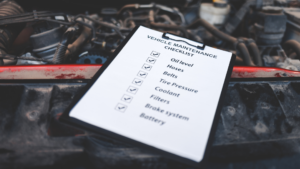
At Gaslamp Law, we understand that service history reports often become some of the strongest pieces of evidence in a Beverly Hills Lemon Law claim afterward. These records may reveal repeated repair attempts, recurring mechanical failures, and extended periods when a defective vehicle remained unavailable for normal use. Furthermore, we carefully review dealership repair invoices, technician notes, and manufacturer communications to identify patterns supporting our clients’ claims under California Lemon Law protections. Our team works diligently to organize and present this evidence effectively while demonstrating how ongoing defects continued affecting the vehicle despite multiple repair efforts.
Luxury vehicle owners in Beverly Hills frequently encounter situations where dealerships document the same issue repeatedly while failing to provide lasting repairs afterward. At Gaslamp Law, we use service history reports to help establish timelines, confirm recurring defects, and strengthen negotiations involving vehicle buybacks or financial compensation. Additionally, we analyze whether manufacturers attempted temporary fixes instead of addressing the root mechanical or technological problem affecting the vehicle itself. Through detailed review and strategic legal advocacy, we help consumers use service documentation effectively while pursuing accountability against manufacturers responsible for defective vehicles.

Why Service Reports Matter in a Beverly Hills Lemon Law Claim
Service reports often become some of the most important evidence in a Beverly Hills Lemon Law claim afterward. These records may help demonstrate repeated repair attempts, ongoing mechanical failures, and the amount of time a vehicle remained unavailable due to unresolved defects. Furthermore, manufacturers and dealerships frequently rely on service documentation when evaluating whether a vehicle qualifies under California Lemon Law protections. Well-organized service reports often strengthen a consumer’s ability to show that recurring issues continued despite multiple repair visits. Detailed repair histories may also improve settlement negotiations involving vehicle buybacks or financial compensation.
Service Reports Help Establish Repair History
Repair invoices and dealership records often create a timeline showing how frequently the consumer sought repairs for the same recurring issue afterward. These records may include dates of service visits, technician findings, repair attempts, and customer complaints connected to the defective vehicle. Furthermore, repeated repair documentation frequently demonstrates that the manufacturer received several opportunities to resolve the problem without success. Attorneys commonly organize these reports chronologically while highlighting recurring defects affecting vehicle safety or reliability. Accurate repair histories often strengthen the overall credibility of a Lemon Law claim significantly.
Repeated Repairs May Show Ongoing Defects
Multiple service visits involving the same unresolved issue may provide valuable evidence supporting California Lemon Law protections afterward. Service reports sometimes reveal that dealerships repeatedly attempted temporary fixes while the underlying defect continued affecting the vehicle itself. Additionally, recurring repair entries often help establish that the manufacturer could not repair the defect within a reasonable number of attempts. Attorneys frequently use these repeated service records during negotiations involving repurchases and financial compensation claims. Strong repair histories often improve leverage during Lemon Law disputes considerably.
Technician Notes May Strengthen the Claim
Dealership technician comments within service reports sometimes contain important information supporting a Beverly Hills Lemon Law case afterward. These notes may reference warning lights, failed software updates, intermittent malfunctions, or unresolved safety concerns connected to the defective vehicle. Furthermore, technicians occasionally document that the same issue returned despite prior repairs performed at earlier service visits. Attorneys commonly review these comments carefully while identifying language strengthening the consumer’s legal position. Detailed technician observations often become important evidence during settlement discussions and litigation proceedings.
Service Reports May Demonstrate Time Out of Service
California Lemon Law claims sometimes involve vehicles spending excessive amounts of time unavailable due to ongoing repairs afterward. Service reports often contain dates showing how long the vehicle remained at dealerships while technicians attempted repairs or awaited replacement parts. Furthermore, excessive time out of service may strengthen arguments supporting compensation or vehicle replacement under California Lemon Law protections. Luxury vehicle owners in Beverly Hills frequently experience significant inconvenience when repeated repairs prevent normal vehicle use over extended periods. Attorneys commonly calculate total repair days carefully while preparing stronger Lemon Law claims.
Long Repair Delays May Affect Vehicle Value
Repeated dealership visits and extended repair periods sometimes reduce a luxury vehicle’s resale value and overall reliability afterward. Consumers may lose confidence in the vehicle while continuing to experience frustration and inconvenience connected to unresolved defects. Additionally, prolonged service delays often interfere with transportation needs, work responsibilities, and everyday driving activities throughout ownership. Attorneys frequently use service reports to demonstrate how repair delays negatively affected the consumer’s ownership experience. Thorough documentation often strengthens compensation demands involving diminished vehicle value.
Service Reports May Support Safety Concerns
Certain recurring defects documented within repair records may involve serious safety risks affecting the vehicle afterward. Problems involving brakes, steering, acceleration, transmission systems, or electrical components sometimes create dangerous driving conditions despite repeated repair attempts. Furthermore, service reports may help establish that manufacturers knew about ongoing safety-related defects connected to the consumer’s complaints. Attorneys often highlight these safety concerns while pursuing stronger settlements or vehicle buybacks under California Lemon Law protections. Evidence involving unsafe vehicle conditions frequently strengthens the overall claim significantly.

Common Mistakes Beverly Hills Drivers Make With Service Records
Service records often play a critical role in determining whether a Beverly Hills Lemon Law claim becomes successful afterward. However, many consumers unintentionally create challenges for their cases by failing to maintain accurate and complete repair documentation throughout the ownership period. Furthermore, missing paperwork, inconsistent complaints, and undocumented dealership visits sometimes weaken otherwise valid Lemon Law claims involving defective luxury vehicles. Understanding the most common service record mistakes may help Beverly Hills drivers protect their legal rights more effectively moving forward. Careful documentation practices frequently strengthen negotiations involving vehicle buybacks and financial compensation.
Failing To Keep Every Repair Invoice
Some drivers mistakenly assume dealerships automatically maintain complete repair histories for every service visit afterward. However, missing invoices or incomplete records may create difficulties when proving repeated repair attempts connected to recurring defects. Furthermore, consumers sometimes discard paperwork involving unsuccessful repair visits or diagnostic appointments that later become important during Lemon Law disputes. Attorneys commonly encourage clients to maintain organized copies of every repair invoice, appointment summary, and dealership communication involving the vehicle. Thorough documentation frequently improves the strength of compensation claims considerably.
Even Minor Repair Visits May Matter
Consumers occasionally overlook short dealership visits involving warning lights, software resets, or intermittent problems afterward. However, these appointments may still help establish patterns involving recurring defects affecting the same vehicle system repeatedly. Additionally, multiple smaller repair visits sometimes demonstrate that the vehicle experienced ongoing issues despite repeated dealership attention throughout ownership. Attorneys often use these seemingly minor service records strategically during settlement negotiations and litigation proceedings. Consistent documentation frequently strengthens the overall Lemon Law claim significantly.
Digital Records Should Also Be Preserved
Many dealerships now provide repair summaries and appointment confirmations electronically rather than through printed paperwork afterward. Consumers sometimes fail to save emails, text notifications, or online service updates documenting dealership visits connected to recurring vehicle defects. Furthermore, digital communications occasionally contain important information regarding unresolved problems or delayed repair attempts affecting the claim itself. Attorneys commonly advise clients to preserve electronic records alongside traditional repair invoices and dealership paperwork. Complete documentation often strengthens negotiations involving manufacturers considerably.
Inconsistent Descriptions of Vehicle Problems
Drivers sometimes describe recurring defects differently during separate dealership visits, which may create confusion within service histories afterward. For example, consumers may report hesitation, stalling, or loss of power as unrelated issues despite involving the same underlying defect. Furthermore, inconsistent terminology sometimes allows manufacturers to argue that separate problems existed rather than one recurring unresolved issue connected to the vehicle. Attorneys commonly review repair records carefully while identifying patterns linking similar complaints across multiple service visits. Consistent descriptions frequently strengthen Lemon Law arguments involving repeated defects.
Dealerships May Simplify Customer Complaints
Service advisors occasionally shorten or summarize consumer complaints within repair invoices instead of documenting concerns completely afterward. These simplified descriptions may fail to reflect the severity or frequency of the actual vehicle problem experienced by the owner. Additionally, vague repair entries sometimes create opportunities for manufacturers to dispute whether the same defect continued occurring throughout ownership. Attorneys often compare customer recollections against dealership notes while identifying missing or incomplete documentation affecting the claim. Detailed and accurate descriptions frequently improve the credibility of repair histories.
Consumers Should Review Invoices Carefully
Many vehicle owners sign repair paperwork quickly without reviewing how dealerships documented their complaints afterward. However, inaccurate descriptions or missing concerns within service reports may affect future Lemon Law claims involving recurring defects. Furthermore, correcting errors immediately often helps preserve stronger evidence regarding the true nature of the vehicle problem itself. Attorneys commonly encourage consumers to review invoices before leaving the dealership after each repair visit. Accurate documentation frequently strengthens settlement negotiations and compensation demands later.
Waiting Too Long To Gather Records
Some Beverly Hills drivers delay collecting service histories until vehicle problems become overwhelming afterward. Unfortunately, missing records or incomplete dealership documentation sometimes create unnecessary obstacles during Lemon Law claims involving long ownership periods. Furthermore, certain service records may become more difficult to obtain if dealerships change ownership systems or archive older repair histories. Attorneys commonly advise consumers to organize service paperwork continuously while defects continue affecting the vehicle. Early preparation often improves the overall efficiency of the Lemon Law process considerably.
Delayed Record Collection May Slow the Claim
Incomplete repair histories sometimes force attorneys to spend additional time requesting missing invoices and verifying dealership records afterward. This process may delay negotiations and create complications when manufacturers dispute repair timelines connected to the defective vehicle. Additionally, unavailable service documentation occasionally weakens arguments involving repeated repair attempts or excessive time out of service. Attorneys frequently work to reconstruct missing histories whenever possible while strengthening available evidence supporting the claim. Organized documentation often helps avoid unnecessary delays during settlement discussions.
Proper Organization Helps Attorneys Evaluate Claims Faster
Consumers who maintain organized service records often help attorneys evaluate Lemon Law claims more efficiently afterward. Chronological repair histories may quickly reveal recurring defects, repeated repair attempts, and excessive dealership visits involving unresolved problems. Furthermore, organized paperwork frequently allows attorneys to identify stronger legal arguments earlier during the case evaluation process. Clear documentation often improves communication between consumers, attorneys, and manufacturers throughout negotiations. Well-maintained records frequently strengthen overall case preparation significantly.

How Missing Repair Orders Can Affect a Beverly Hills Lemon Law Case
Missing repair orders sometimes create serious complications during a Beverly Hills Lemon Law case afterward. Repair invoices and dealership records often serve as critical evidence demonstrating recurring defects, repeated repair attempts, and extended periods when the vehicle remained unavailable due to unresolved problems. Furthermore, manufacturers frequently review service histories closely while evaluating whether a vehicle qualifies under California Lemon Law protections. Missing documentation may weaken otherwise strong claims by creating gaps within the vehicle’s repair timeline and ownership history. Understanding how absent repair records affect Lemon Law cases may help consumers protect their legal rights more effectively moving forward.
Missing Records May Make Repeated Repairs Harder To Prove
California Lemon Law claims often depend heavily on demonstrating that dealerships received multiple opportunities to repair the same recurring defect afterward. Missing repair orders sometimes make it more difficult to establish how frequently the vehicle returned for service involving unresolved issues. Furthermore, manufacturers may argue that the consumer failed to provide enough repair attempts if important service visits remain undocumented within dealership records. Attorneys commonly work to reconstruct missing repair histories while identifying additional evidence supporting the recurring defect pattern. Complete documentation frequently strengthens negotiations involving buybacks and financial compensation significantly.
Undocumented Visits May Still Matter
Some consumers visit dealerships for inspections, software resets, or diagnostic appointments without receiving complete repair paperwork afterward. However, these visits may still help demonstrate ongoing vehicle problems affecting reliability, safety, or normal use connected to the Lemon Law claim. Additionally, repeated undocumented complaints sometimes reveal that the manufacturer knew about recurring defects despite limited written records involving the issue itself. Attorneys frequently search for appointment confirmations, digital communications, and dealership notes supporting undocumented service visits. Alternative evidence may help strengthen claims involving incomplete repair histories.
Manufacturers May Challenge Incomplete Timelines
Manufacturers sometimes rely on missing repair orders when disputing whether a recurring defect actually continued affecting the vehicle afterward. Gaps within service histories may allow manufacturers to argue that problems resolved temporarily or involved unrelated mechanical issues throughout ownership. Furthermore, incomplete timelines occasionally weaken arguments involving excessive repair attempts or prolonged dealership visits connected to unresolved defects. Attorneys commonly organize available records carefully while filling gaps through additional supporting evidence whenever possible. Strong documentation frequently improves the credibility of Lemon Law claims considerably.
Missing Repair Orders May Affect Time Out of Service Claims
Vehicles qualifying under California Lemon Law protections sometimes spend excessive amounts of time unavailable due to repairs afterward. Service records often provide important dates showing how long dealerships retained the vehicle while technicians attempted repairs or awaited replacement parts. Furthermore, missing repair orders may create challenges when calculating the total number of repair days connected to the recurring defect itself. Attorneys commonly review dealership appointment logs and digital service histories while reconstructing periods involving prolonged repairs. Accurate timelines frequently strengthen compensation demands involving excessive time out of service.
Long Repair Delays May Become Difficult To Verify
Consumers occasionally remember lengthy repair periods but lack complete paperwork documenting the exact service dates afterward. Missing invoices sometimes create uncertainty regarding how long the vehicle remained unavailable for repairs connected to unresolved defects. Additionally, manufacturers may dispute verbal estimates regarding dealership delays without written records supporting the timeline involved. Attorneys often gather supplemental evidence from dealerships and service communications while rebuilding accurate repair histories. Thorough reconstruction efforts frequently strengthen Lemon Law negotiations considerably.
Loaner Vehicle Records May Provide Supporting Evidence
Some dealerships provide temporary loaner vehicles during lengthy repair periods involving unresolved defects afterward. Loaner agreements, rental invoices, and dealership correspondence sometimes help verify how long the original vehicle remained out of service connected to the claim. Furthermore, these records may support arguments involving substantial inconvenience and ongoing disruption caused by repeated repair attempts. Attorneys frequently use loaner documentation strategically when repair invoices remain incomplete or unavailable. Additional supporting records often improve the overall strength of the case significantly.
Attorneys Often Help Consumers Recover Missing Records
Consumers dealing with incomplete service histories sometimes feel overwhelmed when attempting to gather missing dealership documentation afterward. Beverly Hills Lemon Law attorneys commonly assist clients with requesting repair orders, appointment histories, and service communications directly from dealerships and manufacturers. Furthermore, attorneys frequently understand where important supporting evidence may exist beyond standard repair invoices connected to the defective vehicle itself. Legal guidance often helps consumers rebuild stronger claims despite missing paperwork or incomplete documentation. Thorough record collection frequently improves settlement opportunities and litigation preparation.
Digital Communications May Help Reconstruct Histories
Emails, text messages, online service confirmations, and warranty updates sometimes provide valuable evidence supporting missing repair histories afterward. These communications may confirm dealership visits, repair scheduling, recurring complaints, or delayed service attempts connected to unresolved defects. Additionally, attorneys commonly organize digital records alongside available repair invoices while rebuilding complete service timelines involving the defective vehicle. Electronic documentation frequently strengthens claims when traditional repair paperwork remains unavailable. Strong supporting evidence often improves negotiation leverage during Lemon Law disputes.
Attorneys May Use Additional Evidence To Strengthen the Claim
Even when repair orders remain missing, attorneys sometimes rely on alternative evidence supporting recurring defect claims afterward. Warranty records, vehicle inspection reports, technician communications, and customer complaint histories may still demonstrate ongoing problems affecting the vehicle. Furthermore, attorneys commonly use available documentation strategically while presenting comprehensive arguments supporting California Lemon Law protections for defective luxury vehicles. Strong legal preparation often helps overcome challenges involving incomplete service histories during negotiations and litigation proceedings.

How Beverly Hills Lemon Law Attorneys Help Claimants Manage Their Service Reports
Service reports often become one of the most important pieces of evidence in a Beverly Hills Lemon Law claim afterward. These records may reveal repeated repair attempts, recurring vehicle defects, and ongoing dealership visits connected to unresolved mechanical or technological problems. Therefore, many consumers rely on Beverly Hills Lemon Law attorneys for guidance when organizing and evaluating complicated repair histories involving luxury and high-performance vehicles. Attorneys commonly review dealership records carefully while identifying patterns supporting California Lemon Law protections for defective vehicles. Understanding how legal professionals manage service reports often helps claimants build stronger and more organized Lemon Law cases.
Attorneys Carefully Review Repair Histories for Patterns
Beverly Hills Lemon Law attorneys commonly begin by reviewing every available repair invoice, technician note, and dealership communication connected to the defective vehicle afterward. This process often helps identify repeated repair attempts involving the same unresolved mechanical, electrical, or software-related issue affecting the vehicle. Furthermore, attorneys frequently look for language within service reports showing dealerships acknowledged recurring defects without providing lasting repairs. Identifying consistent repair patterns may strengthen arguments that the manufacturer failed to repair the vehicle within a reasonable number of attempts. Thorough service record analysis often becomes essential during Lemon Law negotiations and litigation.
Repeated Repairs May Strengthen the Claim
Multiple repair visits involving the same recurring problem often provide valuable evidence supporting a Beverly Hills Lemon Law claim afterward. Service reports may show that dealerships repeatedly attempted temporary fixes while the underlying defect continued affecting vehicle performance and reliability. Additionally, repeated repairs sometimes demonstrate that the manufacturer received sufficient opportunities to resolve the issue without success. Attorneys commonly organize these repair histories chronologically while highlighting recurring defects connected to the consumer’s complaint. Strong repair documentation frequently improves settlement negotiations involving vehicle buybacks or compensation.
Technician Notes May Reveal Important Details
Service reports sometimes contain technician observations and dealership comments that strengthen a Lemon Law claim considerably afterward. These notes may reference recurring warning lights, failed software updates, intermittent mechanical issues, or unsuccessful repair attempts connected to the defective vehicle. Furthermore, dealership documentation occasionally confirms that technicians could not duplicate the issue despite repeated customer complaints regarding the same problem. Attorneys frequently review technician comments carefully while identifying statements supporting the consumer’s position during Lemon Law disputes. Detailed dealership notes often become important evidence during negotiations and litigation proceedings.
Attorneys Help Claimants Organize Documentation Properly
Consumers dealing with ongoing vehicle defects sometimes struggle to organize years of repair invoices, maintenance records, and dealership communications afterward. Beverly Hills Lemon Law attorneys commonly help claimants gather and arrange these records in ways supporting stronger legal claims under California Lemon Law protections. Furthermore, organized service histories often make it easier to demonstrate the frequency and severity of unresolved defects affecting the vehicle itself. Attorneys frequently create detailed timelines connecting repair visits, recurring complaints, and dealership responses throughout the ownership period. Proper documentation management often strengthens the overall credibility of the claim.
Missing Records May Create Challenges
Incomplete service histories sometimes create obstacles when manufacturers dispute the seriousness or frequency of vehicle defects afterward. Missing repair invoices or undocumented dealership visits may allow manufacturers to argue that the consumer failed to provide sufficient repair opportunities connected to the claim. Additionally, consumers occasionally overlook digital communications or appointment confirmations that may support their position during Lemon Law disputes. Attorneys commonly assist clients with obtaining missing records directly from dealerships and service providers when necessary. Thorough documentation collection frequently improves the strength of compensation demands.
Attorneys Often Track Time Out of Service
California Lemon Law claims sometimes involve vehicles spending excessive amounts of time unavailable due to recurring repair issues afterward. Attorneys frequently calculate how many total days the vehicle remained at dealerships while awaiting repairs, diagnostics, or replacement parts connected to ongoing defects. Furthermore, service reports often provide important dates helping establish how long the consumer lost use of the vehicle during ownership. Excessive time out of service may strengthen arguments supporting vehicle buybacks and financial compensation under California Lemon Law protections. Accurate timelines frequently improve settlement negotiations substantially.
Attorneys Use Service Reports To Challenge Manufacturers
Manufacturers and dealerships sometimes attempt to minimize recurring defects or argue that problems do not substantially affect vehicle use afterward. Beverly Hills Lemon Law attorneys commonly use service reports to challenge these arguments while demonstrating that ongoing issues continued despite repeated repair attempts. Furthermore, detailed documentation often helps establish that defects affected vehicle safety, reliability, or resale value connected to the consumer’s ownership experience. Attorneys frequently rely on repair records when negotiating directly with manufacturers regarding compensation or replacement vehicle demands. Strong documentation often limits opportunities for manufacturers to dispute liability unfairly.
“No Problem Found” Entries May Still Support Claims
Dealership service reports occasionally state that technicians could not duplicate the reported issue during inspections afterward. However, recurring “no problem found” entries involving the same complaint may still strengthen a Beverly Hills Lemon Law claim significantly. Additionally, repeated customer complaints documented across several repair visits often demonstrate that unresolved problems continued affecting the vehicle despite unsuccessful diagnostics. Attorneys commonly highlight these recurring complaints while showing manufacturers failed to resolve ongoing defects adequately. Persistent unresolved issues frequently support stronger Lemon Law arguments during negotiations.
Attorneys May Compare Reports Against Manufacturer Bulletins
Manufacturers sometimes issue technical service bulletins acknowledging known problems affecting certain vehicle models afterward. Attorneys frequently compare dealership service reports against these bulletins while determining whether manufacturers already recognized recurring defects connected to the claimant’s vehicle. Furthermore, technical bulletins may help establish that similar problems affected multiple consumers involving the same vehicle platform or technology system. Attorneys often use this information strategically when negotiating compensation or preparing Lemon Law litigation. Detailed manufacturer records frequently strengthen claims involving widespread defects.
Attorneys Help Consumers Prepare for Negotiations or Litigation
Managing service reports effectively often becomes critical when preparing a Beverly Hills Lemon Law claim for settlement negotiations or courtroom proceedings afterward. Attorneys commonly organize repair histories into detailed summaries demonstrating how unresolved defects continued affecting the consumer despite multiple repair attempts. Furthermore, well-prepared service documentation often helps simplify complicated repair timelines involving luxury or technologically advanced vehicles. Attorneys may also work with automotive experts who review service reports while providing opinions regarding recurring defects and failed repairs connected to the claim. Thorough preparation frequently improves the likelihood of favorable settlement outcomes.
Strong Documentation Often Encourages Better Settlements
Manufacturers sometimes become more willing to negotiate fairly when attorneys present detailed and organized repair histories afterward. Clear service documentation may demonstrate that the consumer possesses strong evidence supporting recurring defects and unreasonable repair delays connected to the vehicle. Additionally, comprehensive repair timelines often reduce opportunities for manufacturers to dispute important facts regarding the claim itself. Attorneys commonly use organized service reports strategically during settlement discussions involving vehicle repurchases and financial compensation. Strong documentation frequently improves negotiation leverage considerably.
Attorneys Help Reduce Stress During the Process
Consumers dealing with repeated dealership visits and unresolved vehicle defects often experience frustration and uncertainty throughout the Lemon Law process afterward. Attorneys commonly manage communications, organize records, and monitor deadlines so claimants can focus less attention on complicated legal disputes involving manufacturers. Furthermore, experienced legal guidance often helps consumers understand what documentation remains important while avoiding costly mistakes affecting their claims. Ongoing legal support frequently provides greater confidence during difficult Lemon Law disputes connected to defective luxury vehicles. Consistent representation may also reduce unnecessary stress throughout negotiations and litigation proceedings.

Reach Out Today for Help With Your Service Reports and Lemon Law Claims in Beverly Hills
At Gaslamp Law, we understand how frustrating it becomes when repeated dealership visits still fail to resolve ongoing vehicle defects afterward. Service reports often contain critical details supporting Beverly Hills Lemon Law claims, especially when manufacturers continue attempting unsuccessful repairs over extended periods. Furthermore, we carefully review repair documentation, dealership records, and manufacturer communications while helping our clients build stronger claims under California Lemon Law protections. Our team works aggressively to identify recurring problems and demonstrate how those unresolved defects continue affecting the safety, reliability, and value of the vehicle.
Luxury vehicle owners throughout Beverly Hills frequently rely on us for guidance involving complicated Lemon Law disputes and extensive repair histories afterward. At Gaslamp Law, we help consumers organize important documentation, understand their legal options, and pursue compensation for defective vehicles creating ongoing financial and personal inconvenience. Additionally, we remain committed to providing responsive legal support and strategic advocacy tailored to the unique circumstances of every Lemon Law case we handle. Reach out online or call us at (323) 853-7848 today for experienced help with your Beverly Hills Lemon Law claim.